Saltwater Pool vs Chlorine Pool: Why NYC Gyms Are Making the Switch
What it means for your skin, recovery, and overall training experience
Working Out
May 19, 2026
By Itay Sopher
What it means for your skin, recovery, and overall training experience
Key Takeaways:
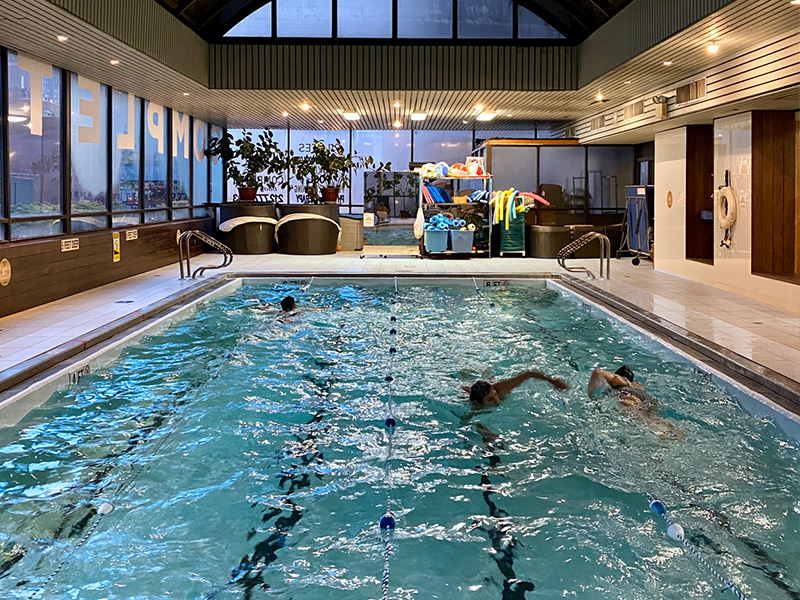
!Modern fitness facility swimming pool with crystal clear water
In recent years, many high-end fitness facilities across New York City have been making a significant change to their aquatic amenities: switching from traditional chlorine pools to saltwater systems. This trend reflects a growing understanding of the benefits that saltwater pools offer to both facility operators and swimmers. As a leading fitness destination in NYC, CompleteBody has been at the forefront of this evolution, prioritizing member comfort and wellness through advanced pool technology.
Saltwater pools use a process called electrolysis to generate chlorine naturally from dissolved salt. The system works through a salt chlorine generator that converts sodium chloride (table salt) into hypochlorous acid, the same sanitizing agent used in traditional chlorine pools, but in a more controlled and consistent manner.
!Close up of modern pool equipment and filtration system
According to research from the American College of Sports Medicine, saltwater pools maintain a salt concentration of around 3,000 parts per million, about one-tenth the salinity of ocean water. This level is optimal for sanitization while remaining gentle on swimmers.
The most immediately noticeable benefit of saltwater pools is their effect on swimmers' comfort. Traditional chlorine pools can cause:
In contrast, saltwater pools provide a softer, more natural swimming experience. The Mayo Clinic notes that saltwater systems eliminate many of the harsh chemical effects associated with traditional chlorination.
One of the most significant advantages of saltwater pools is their impact on air quality. The CDC reports that traditional chlorine pools can create chloramines, chemical compounds that cause:
Saltwater systems naturally produce fewer chloramines, resulting in better air quality around the pool area. This is particularly important for indoor pools like those at CompleteBody's Grand Central location, where air quality directly impacts the exercise experience.
While the initial installation cost of a saltwater system is higher, the long-term benefits include:
Luxurious indoor pool area with modern design
At CompleteBody's locations across NYC, the switch to saltwater pools represents our commitment to providing a premium fitness experience. Whether you're taking a post-workout swim or attending one of our aqua fitness classes, you'll notice the difference that saltwater makes.
Our spa and wellness services complement the therapeutic benefits of saltwater swimming, creating a comprehensive approach to health and recovery. Members particularly appreciate how the gentler water enhances their post-exercise recovery routines.
The trend toward saltwater pools in NYC gyms reflects several factors:
Ready to experience the benefits of saltwater pools yourself? Start your free trial at CompleteBody and discover why more NYC fitness enthusiasts are choosing facilities with saltwater pools.
No, saltwater pools still use chlorine for sanitization, but it's generated naturally through electrolysis rather than added manually. This results in more stable chlorine levels and fewer harsh chemical byproducts.
No, the salt concentration is so low (about 1/10th of ocean water) that you won't feel salty after swimming. Many people report their skin feels softer and more moisturized compared to traditional chlorine pools.
While the initial installation cost is higher, saltwater pools typically cost less to maintain over time due to reduced chemical needs and simpler maintenance routines.
Salt typically needs to be added only 2-3 times per year, depending on factors like rainfall, splash-out, and backwashing frequency. The system will indicate when salt levels need adjustment.
Many people who are sensitive to traditional chlorine pools find saltwater pools more comfortable, as they produce fewer irritating chloramines. However, individuals with specific sensitivities should consult their healthcare provider.
In NYC's climate, indoor saltwater pools require minimal special winter maintenance beyond normal care. The salt chlorination system may need to run for shorter periods due to reduced swimmer load.