The Ultimate NYC Gym Spa Guide: What Really Works in 2026
Gym spa floors used to be an afterthought, just a lone sauna, a cold shower, or a massage room you’d book once a month. In 2026, recovery amenities have become the deciding factor in Manhattan membership decisions, and for good reason.
Take the Finnish study: a landmark 20-year cohort of 2,315 men showed that 2 to 3 weekly sauna sessions cut sudden cardiac death risk by 22%. That number climbs to 63% for 4 to 7 sessions per week (Harvard Health, 2015). This isn’t just marketing fluff. It’s peer-reviewed research.
As a trainer, I see recovery through one lens: training creates the stimulus, recovery creates the result. Here’s a clear, evidence-based breakdown of the top gym spa amenities in NYC, what science says, and how to build a recovery routine that actually builds fitness.
Key Takeaways
Finnish research shows 2 to 3 weekly sauna sessions reduce cardiovascular mortality by 22%, with benefits increasing to 63% for 4 to 7 sessions
Salt lounges, massage, and pools add value through stress reduction and consistency, two recovery benefits most New Yorkers overlook
Judge a gym’s spa by what you use weekly: one consistently used amenity beats five that are never touched
Which Gym Spa Amenities Have the Strongest Science?
Sauna leads by a wide margin. A study from the University of Eastern Finland followed middle-aged men for about 20 years and found that sauna frequency correlates with lower rates of sudden cardiac death, fatal coronary disease, and all-cause mortality. Sessions lasting 15 to 20 minutes were linked to roughly 40% reductions in cardiovascular mortality at higher frequencies (ScienceDaily, 2015).
Why does sitting in a hot room have these effects? Heat raises your heart rate to levels similar to moderate exercise, dilates blood vessels, and trains your cardiovascular system in a way researchers describe as "conditioning." A sauna session is not a workout replacement, but it mimics the physiological response of exercise.
The practical protocol supported by the research:
Frequency: 2 to 4 sessions per week, more if you enjoy it
Duration: 15 to 20 minutes per session
Hydration: Drink water before and after
Timing: Best after a workout; heat following training enhances the relaxation response
Steam rooms deliver similar heat exposure with added humidity. Many find it easier on the airways. While the cardiovascular research focuses on dry Finnish saunas, the benefits of heat on circulation and relaxation apply. People with cardiovascular conditions or blood pressure concerns should consult a doctor before regular heat exposure.
Is Massage Worth It for Gym-Goers, or Just a Luxury?
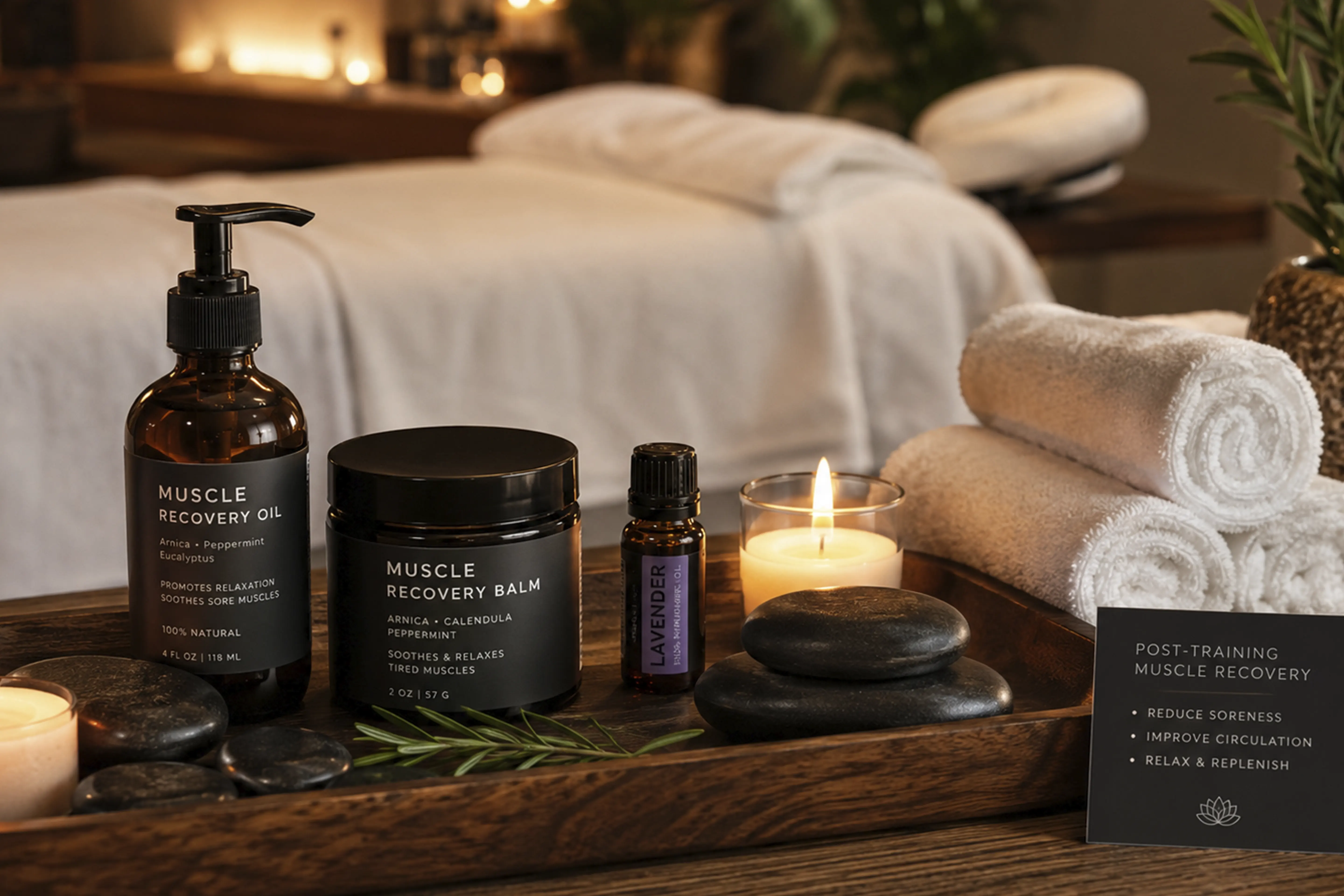
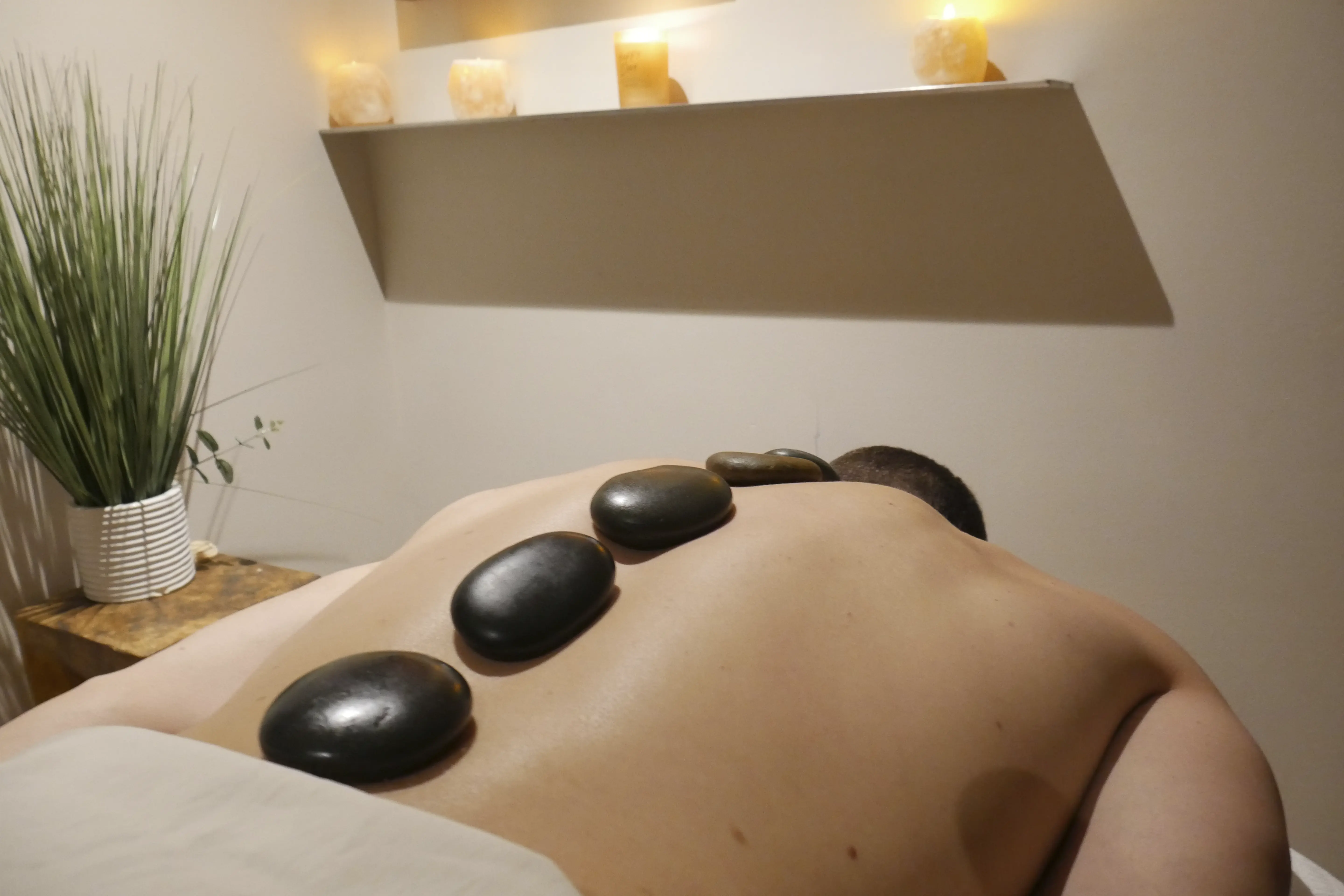
It’s worth it, especially when framed honestly. Massage reliably reduces perceived soreness and stress, and those effects have real consequences for training consistency. Reviews of massage research show reduced delayed-onset muscle soreness and improved relaxation markers, even when performance recovery is modest.
You train more when you hurt less and sleep better. That’s the key benefit.
From a Decade of Coaching: Who Benefits Most from Regular Massage?
Desk workers with consistent training habits see the most value. Eight hours of sitting plus four hours of gym time weekly creates predictable tightness in the hips, chest, and neck. Targeted massage in those areas helps maintain mobility and keeps training positions accessible.
People increasing training volume also benefit significantly. During a strength block or race prep, a monthly or biweekly massage acts as scheduled maintenance that helps keep the body from breaking down under pressure.
Chronic stress carriers find relief too. If your shoulders sit near your ears, the nervous system reset from massage is the main benefit. The goal is to create physical and mental space for recovery.
The frequency question comes down to budget honesty. One massage a month, sustained over a year, is more effective than a weekly plan you cancel in February.
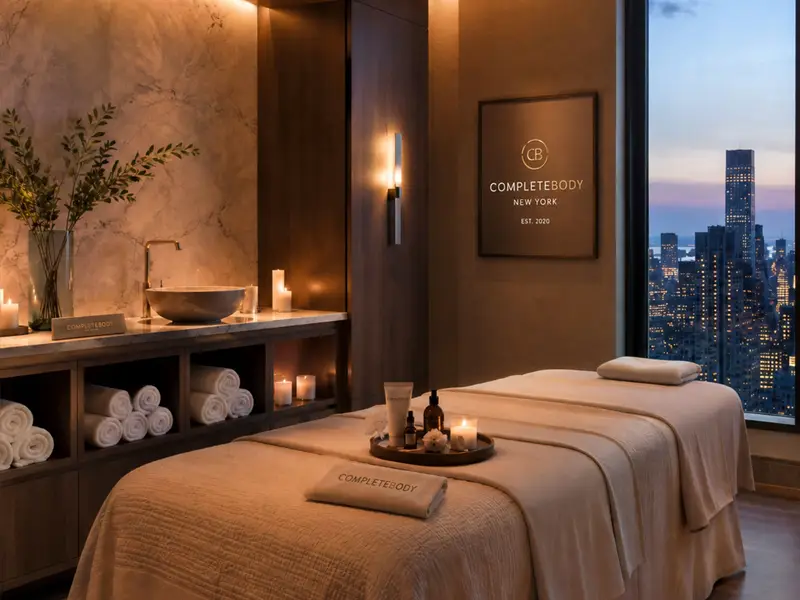
At CompleteBody, CompleteSpa integrates massage and wellness services directly with the gym membership. This removes the biggest barrier: no one has to book a separate spa appointment across town after training. Booking one downstairs actually happens.
What About Salt Lounges, Pools, and Cold Exposure?
Each serves a specific group, and the evidence quality varies. Here’s a clear ranking:
Salt lounges are built for sensitive skin and eyes and are gentler than standard chlorinated pools. They offer soothing relief and are especially helpful for people with dry skin or joint discomfort.
Pools are the most-booked recovery amenity for a reason. The warmth and water immersion help reduce muscle tension and promote relaxation.
Cold exposure reduces perceived soreness and provides a powerful mental reset. However, some research suggests immediate cold immersion after lifting may blunt muscle-building signals. My advice? Use cold exposure on rest days or after cardio. Avoid it directly after strength training. Treat it as a stress tool, not a growth tool.
The pattern across all these amenities? The measurable physiological effects matter less than what they enable: scheduled, screen-free downtime. For stressed New Yorkers, this is the ingredient they’re most likely missing. Rest isn’t a luxury. It’s a necessity.
How Do You Build Spa Amenities into a Training Week?
Anchor recovery to your most demanding sessions and plan it in advance. The CDC recommends 150 minutes of aerobic activity plus two strength days (CDC, 2024). That leaves two to three lighter days weekly for recovery.
Use one of them for a salt soak, a pool session, or a cold plunge. The key is consistency, not intensity. When recovery becomes a scheduled part of your week, it stops being optional and starts building real results.
A Sample Week for Clients with Full Spa Access
Monday: Heavy lower-body strength, followed by 15 to 20 minutes of sauna
Tuesday: Easy 20-minute swim or complete rest
Wednesday: Upper-body strength or a group class
Thursday: Salt lounge or massage for a scheduled break
Friday: Full-body training, with sauna after
Weekend: One active day (climb, long walk, class), one true rest day
Notice what this structure does. Every hard session is followed within 24 hours by a deliberate recovery input. Nobody needs all of it every week. The version that fits your calendar is the right one. Even two sauna sessions and one monthly massage, used consistently, can change how a training year feels.
One warning from experience: Don’t let recovery become procrastination. If you're using the salt lounge three times a week and training only once, you’ve inverted the recipe. Recovery amplifies training without replacing it.
The reverse failure mode is just as common in this city: the member who trains six days a week, sleeps five hours, and treats every recovery amenity as wasted time. That person typically plateaus by month three. Adaptation happens during recovery, not during effort. If you recognize yourself in that description, the sauna schedule above isn’t a luxury suggestion. It’s the missing half of your program.
What Should You Look for in a Gym Spa in NYC?
Judge integration, cleanliness, and booking friction before impressiveness. A marble hammam you visit twice a year loses to a clean sauna just twenty steps from your locker that you use every Tuesday and Friday.
Use this five-point checklist when touring any NYC gym spa:
Is it included or à la carte? Sauna, steam, salt lounge, and pool access should be part of the membership. Treatments like massage should reasonably cost extra.
How’s the booking friction? If recovery amenities require reserving days ahead, real-world usage drops to near zero.
Is it clean at peak hours? Visit at 6pm on a weekday. The state of the sauna and locker room then tells you everything.
Do the hours match your schedule? A spa that closes at 9pm doesn’t exist for late trainers.
Is it close to your actual life? Recovery follows the same rule as training: the shortest walk wins. Commuters do best by anchoring at Grand Central and using spa-equipped locations on lighter days.
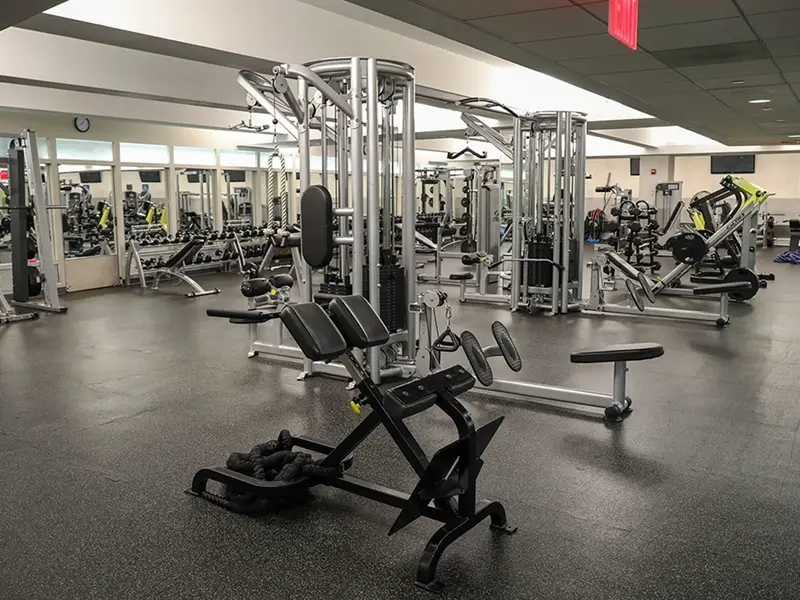
Manhattan’s spa-gym pricing ranges from big-box clubs with a token sauna to $300+ wellness clubs with no real training floor. The sweet spot is a full gym where recovery amenities are genuinely integrated, the model CompleteBody offers across five locations.
Compare that to standalone recovery studios: a la carte pricing in Manhattan runs $40 to $60 for salt therapy, $50 to $90 for cold plunge or sauna circuits, and $130+ for massage. A member using recovery twice weekly at boutique rates spends over $400 a month, more than a full gym membership that includes the gym. Integration isn’t just convenient. It’s the only version of a recovery habit most budgets can sustain over years.
Frequently Asked Questions
How often should you use a sauna for health benefits? Finnish cohort research shows benefits scale with frequency: 2 to 3 weekly sessions are linked to a 22% lower risk of sudden cardiac death, and 4 to 7 sessions reduce that risk by 63%. Sessions of 15 to 20 minutes show the strongest associations. Stay hydrated and consult a doctor if you have cardiovascular conditions.
Should I use the sauna before or after a workout? After. Post-training heat extends relaxation. Heating up before lifting can reduce performance and hydration. Limit sauna use to 15 to 20 minutes after a session, drink water afterward, and skip it if you feel depleted or unwell.
Are cold plunges good after lifting weights? Use caution. Cold immersion reduces perceived soreness, but some studies suggest immediate plunging after lifting may blunt muscle-building signals. Schedule cold exposure on rest days or after cardio. Avoid it directly after a strength session if muscle growth is your goal.
Which NYC gyms include spa amenities in membership? Full-service clubs like CompleteBody include sauna, steam, salt lounge, and pool access as part of the membership. Spa treatments like massage are available on-site through CompleteSpa. Availability varies by location: the saltwater pool is at Midtown East, and the Himalayan salt lounge is at Union Square.
How long should I wait after eating to use a sauna? Give a full meal at least an hour or two before heat exposure. Digestion plus heat can be uncomfortable and may leave you lightheaded. A light snack is fine. More important is hydration: drink water before and replace fluids after every session, especially after a workout.
The Bottom Line
Gym spa amenities in 2026 range from evidence-backed (sauna) to reliably useful (massage, pools, salt lounges) to promising with caveats (cold plunges). The unifying principle? They work through consistency, and consistency comes from integration with the gym you already attend.
✅ Sauna: 2 to 4 times weekly, 15 to 20 minutes ✅ Anchor recovery to your hardest training days ✅ Keep cold plunges away from the hour after lifting ✅ Choose the spa floor you’ll actually walk to twice a week
The simplest way to test the training-plus-recovery rhythm is to live it for a session: train, then sauna, then notice how you sleep. Book a free trial at CompleteBody and run that experiment at any of our five Manhattan locations or explore CompleteSpa services if massage is the missing piece of your training year.
Marcus Rivera is a NASM-Certified Personal Trainer at CompleteBody NYC. He treats recovery as the second half of every training program he designs.