Best Gyms in the Financial District NYC: A Neighborhood Guide for 2026
The Financial District has quietly become one of Manhattan's best neighborhoods to train in. Over 60,000 residents now live below Chambers Street, up from a fraction of that two decades ago, and hundreds of thousands more commute in daily. The gym scene has grown to match, and in 2026 FiDi workers can find everything from boutique studios to full-service clubs within a ten-minute walk of Wall Street.
That density matters more than any single amenity. Research on exercise adherence consistently shows convenience is one of the strongest predictors of whether people keep training, and the CDC reports only 24% of American adults meet both aerobic and strength guidelines (CDC, 2024). A gym you pass on your walk from the subway beats a better gym three stops away.
I've trained clients in this neighborhood for years, and this guide covers what actually matters when choosing a FiDi gym: the options, the trade-offs, and the questions to ask before you commit.
Key Takeaways
- The Financial District now supports every gym format: big-box, boutique, climbing, and full-service clubs with recovery amenities
- Only 24% of US adults meet both federal exercise guidelines (CDC, 2024); proximity to work or home is the strongest practical fix
- Look for pre-9am capacity, shower quality, and lunchtime class schedules; those three factors decide whether a FiDi membership gets used
What Should You Look for in a Financial District Gym?
Prioritize proximity to your commute path, pre-work capacity, and shower logistics over any single piece of equipment. With less than a quarter of American adults meeting both federal activity guidelines (CDC, 2024), the honest question isn't "which gym is most impressive?" It's "which gym will I still be using in March?"
For FiDi specifically, three factors do most of the work:
Finance and legal schedules push most FiDi workouts into early morning. Visit any gym you're considering at 7am on a Tuesday, not 2pm on a Saturday. Count the people waiting for squat racks and benches.
If you're training before work, the locker room is part of your morning routine five days a week. Towel service, enough showers, and space to get ready in a suit matter more here than in almost any other Manhattan neighborhood.
A 45-minute class at 12:15 is the most defensible calendar block in corporate life. Check whether the schedule actually serves the midday window or treats it as dead time.
Would a cheaper gym further away work? For most FiDi professionals, no. Every added transit minute is a reason to skip, and skipping compounds faster than savings do.
Which Types of Gyms Does FiDi Offer in 2026?
The neighborhood now covers all four major formats, each with a distinct trade-off between price, programming, and space
National franchises around Broadway and Water Street offer low prices and long hours. The trade-off is crowding at peak times and little to no coaching. Good for self-sufficient lifters on a budget.
FiDi has strong cycling, HIIT, and Pilates options, typically $30 to $45 per class. Excellent programming and energy, but the per-session economics punish anyone training more than three times a week, and there's no open gym floor.
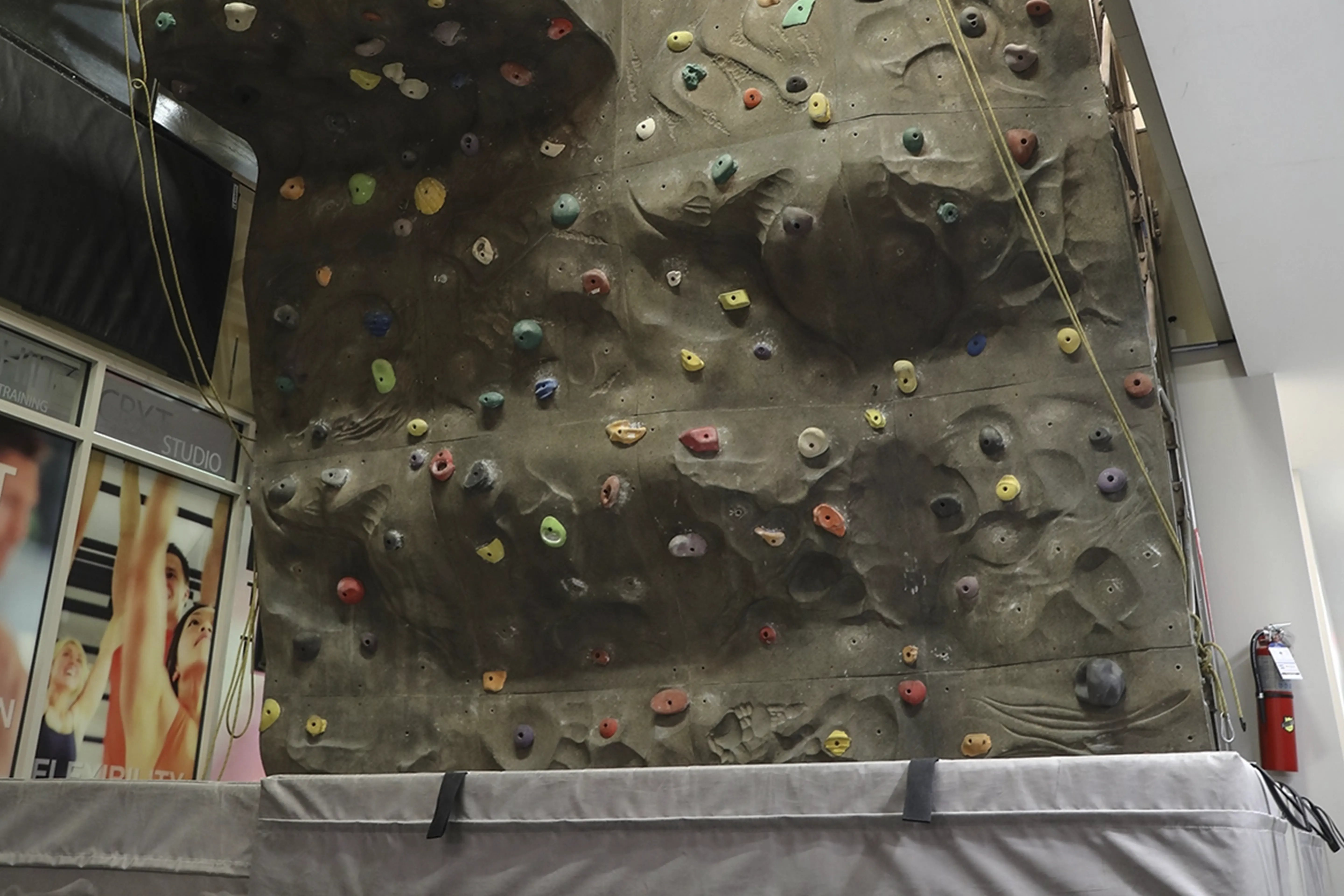
features a three-story climbing wall alongside the full gym floor, which means you can alternate lifting days and climbing days under one membership.
These combine strength floors, group classes, personal training, and recovery amenities like saunas and spa services. They cost more than big-box options and repay it through range: the same membership covers a heavy squat session, a lunchtime class, and a recovery day.
The right format follows from your training pattern. People who thrive on variety and coaching burn out fastest in bare-bones gyms. Self-directed lifters waste money on class-only studios.
Why Does Training Near Work Beat Training Near Home?
Because the commute you already make does the consistency work for you. FiDi professionals who train near the office simply attach the gym to an existing daily pattern, and habit research is unambiguous that anchored behaviors survive while isolated ones decay. A gym on your walk from Fulton Street station requires no extra decision. A gym near your apartment in another borough requires a new one every day.
The math is stark. A gym 20 minutes from your desk costs you 40 minutes of transit per session. At four sessions a week, that's nearly three hours weekly, or roughly 140 hours a year, spent traveling to work out. A five-minute walk cuts that by 87%.
There's also the meeting-schedule reality. When your 6pm plans get destroyed by a late call, a gym around the corner still fits a 7:15 session. A gym requiring a subway transfer doesn't survive that disruption.
This is exactly why our FiDi club sits minutes from the Goldman Sachs building and the Broad Street corridor. The members with the best attendance records aren't the most disciplined people; they're the ones with the shortest walk. Pair that with a personal trainer holding a standing 7am slot, and consistency stops being a willpower problem entirely.
How Do FiDi Gym Prices Compare in 2026?
Expect a wide spread: roughly $30 to $60 monthly for big-box access, $30 to $45 per single boutique class, and $150 to $300+ for full-service clubs, with personal training in NYC running $100 to $200 per session on top of membership at most facilities.
The trap is comparing monthly prices instead of cost per use. A $40 membership used three times in a month costs $13 per workout. A $200 membership used 16 times costs $12.50, and includes classes, recovery amenities, and a locker room that works for pre-meeting mornings. Utilization, not sticker price, decides which membership is actually expensive.
Three questions cut through any FiDi sales pitch:
What does the 7am floor look like? Ask for a trial at your actual training time.
What's included versus add-on? Towels, classes, sauna access, and guest passes vary wildly.
What's the corporate rate? Many FiDi employers have negotiated discounts employees never claim. HR usually knows; front desks sometimes don't volunteer it.
Contract terms deserve one more minute of attention before you sign anything downtown. Ask about the cancellation window, the freeze policy for travel-heavy months, and whether the rate you're quoted is promotional or permanent. FiDi's professional population moves jobs and neighborhoods often, and a membership that flexes with a two-week deal cycle is worth a few dollars more than one that doesn't.
And use trials properly: visit twice, once at your realistic weekday time and once on a weekend, before committing. A single guided tour at 2pm on a Wednesday is marketing. Two real workouts are data.
Worth noting for anyone whose company is exploring options: corporate gym partnerships have become common downtown, and they typically knock 10 to 30% off standard rates. If your employer doesn't have one, forwarding a suggestion to HR takes two minutes and often works.
What Makes CompleteBody Financial District Different?
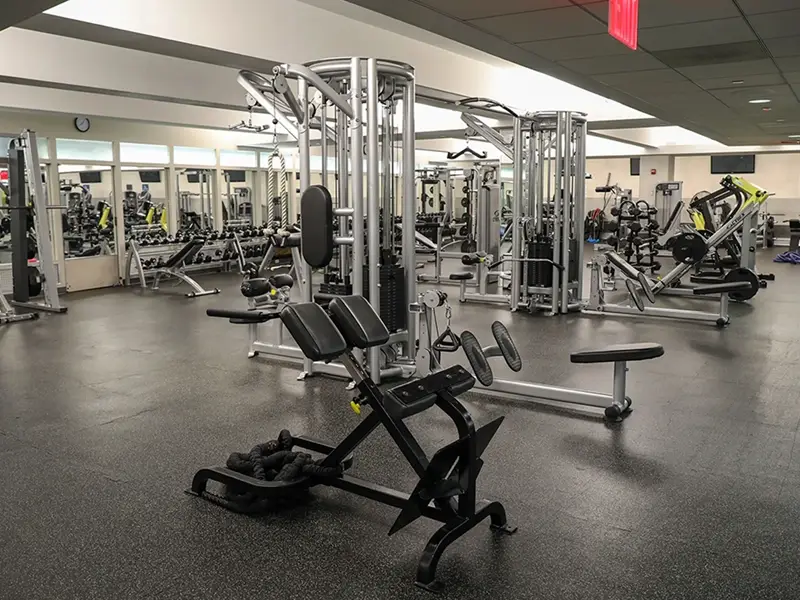
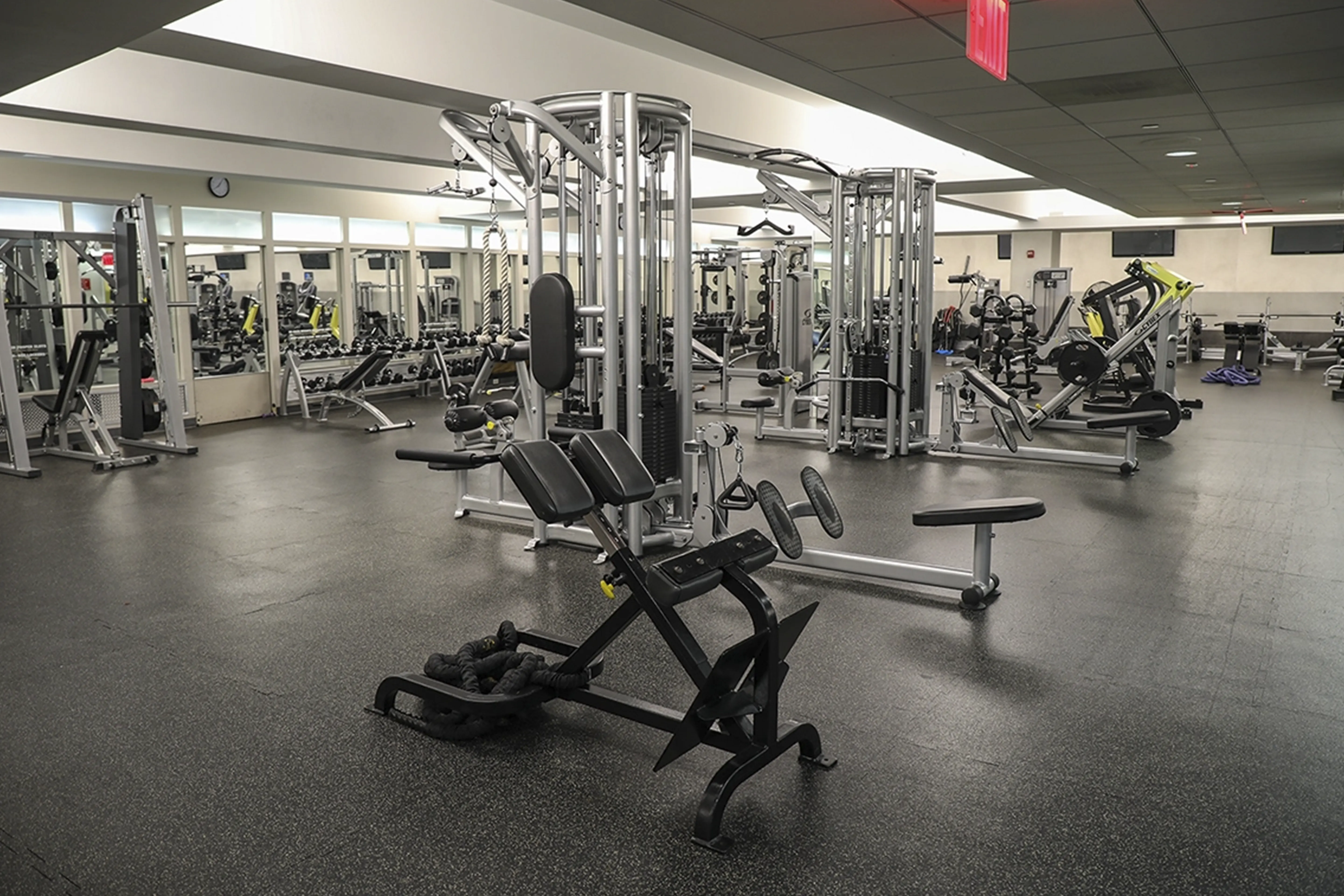
One membership covers the widest range of training styles in the neighborhood: a full strength floor, group classes, a three-story climbing wall, and personal training under one roof. Instead of stacking a climbing membership on a gym membership on class packs, FiDi members consolidate everything into a single stop on their commute.
The climbing wall deserves specific mention because nothing else downtown matches it. Climbing burns significant energy while building grip and pulling strength that transfers directly to lifting, and it's the rare workout that feels like recreation. Members who plateau on traditional training often break through simply by adding a weekly climb.
Beyond the wall, the club runs a full group fitness schedule built around FiDi hours, with early morning and lunchtime slots prioritized. Recovery matters too: after a heavy week, CompleteSpa services cover massage and wellness treatments so the training you do actually turns into progress.
Personal training rounds out the picture for the FiDi schedule specifically. Deal cycles and earnings seasons destroy consistency for even disciplined lifters, and a coach who adjusts your program around a brutal fortnight, rather than watching you disappear for it, is the difference between a stalled year and a steady one. Our trainers work with exactly this population and program accordingly: shorter sessions when needed, standing early slots, and plans that survive a canceled week.
The honest pitch is this: if you work below Chambers Street, you can try it free and judge the 7am floor yourself. That's the test that matters.
Frequently Asked Questions
What is the best time to work out in the Financial District?
Before 9am or between 12 and 1pm. FiDi gyms run counter to residential neighborhoods: mornings and lunch are busiest, while 6 to 8pm is often quieter than expected because workers head home to other boroughs. If you hate crowds, an evening session downtown is a hidden advantage.
How much does a gym membership cost in FiDi in 2026?
Big-box memberships run $30 to $60 monthly, boutique classes $30 to $45 each, and full-service clubs $150 to $300+. Personal training sessions in NYC average $100 to $200. Corporate discounts of 10 to 30% are common downtown, so check with HR before paying the standard rate.
Are there gyms with climbing walls near Wall Street?
Yes. CompleteBody Financial District features a three-story climbing wall integrated into a full-service gym, minutes from Wall Street and the Goldman Sachs building. Climbing provides grip, back, and core training in one session and pairs well with two or three weekly strength workouts.
Is it better to join a gym near work or near home in NYC?
Near work, for most Manhattan professionals. Training attaches to your existing commute, survives schedule disruptions, and uses the midday window residential gyms can't serve. The exception is fully remote workers, where a home-neighborhood gym wins for the same convenience reasons.
Do FiDi gyms get less crowded in summer?
Noticeably, yes. Summer Fridays, vacation season, and hybrid schedules thin the morning rush from July through Labor Day, making it the best season to build a downtown gym habit. January is the opposite extreme; if a gym floor works for you in January, it will work all year.
The Bottom Line
The Financial District in 2026 has a genuine gym for every training style, which means the deciding factors are practical: distance from your desk, morning capacity, shower quality, and whether one membership covers everything you actually do.
Test any gym at your real training hour before joining
Judge cost per workout, not monthly price
Ask HR about corporate rates before paying retail
Pick the shortest walk; it outperforms every other feature over a year
If you work downtown, start with the club built around your schedule. Book a free trial at CompleteBody Financial District, take the climbing wall for a spin, and see whether a five-minute commute changes how often you train. Spoiler from a decade of coaching: it will.
Marcus Rivera is a NASM Certified Personal Trainer at CompleteBody NYC who has coached Financial District professionals for over ten years.