Personal Training in NYC: What to Expect and How Much It Costs in 2026
New York City is the most expensive personal training market in the United States. Sessions typically run between $100 and $200 per hour in 2026, with elite trainers in premium Manhattan facilities charging $500 or more. That is a real commitment, and it raises a fair question: is it worth it?
The short answer is yes, provided you know what you're paying for. NYC's $4.7 billion fitness industry is powered by some of the most credentialed trainers in the world, working inside facilities built specifically to help clients reach goals that solo training rarely achieves. Knowing how pricing works, what quality looks like, and where to look will save you money and, more importantly, get you real results.
This guide covers every dimension of personal training in NYC: current pricing by tier, the factors that push costs up or down, what your first session actually involves, what the research says about results, and how to find a certified professional worth trusting with your goals.
Key Takeaways
- NYC personal training runs $100 to $200 per session in 2026, the highest of any major US market (BUF Blog, 2026).
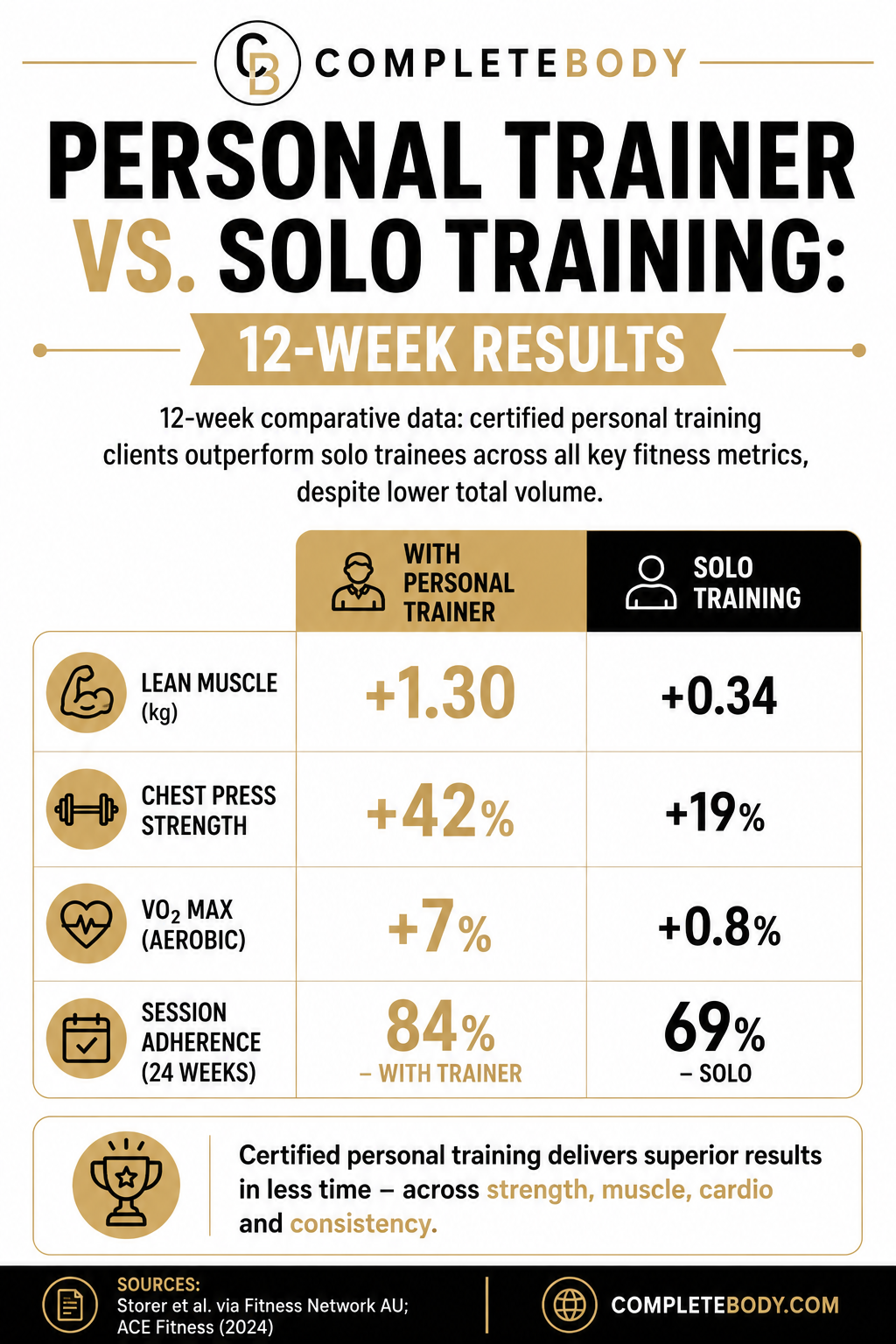
- Clients who train with a certified professional show 84% session adherence versus 69% for those training alone (ACE Fitness, 2024).
- A 12-week study found PT-trained clients gained 1.3 kg of lean muscle; the solo group gained zero kg.
- Look for NCCA-accredited certifications: NASM, ACE, NSCA, or ACSM are the gold standard.
- Semi-private training (2 to 3 clients) cuts per-person cost by 30 to 40% with minimal trade-offs in personalization.
How Much Does Personal Training Cost in NYC in 2026?
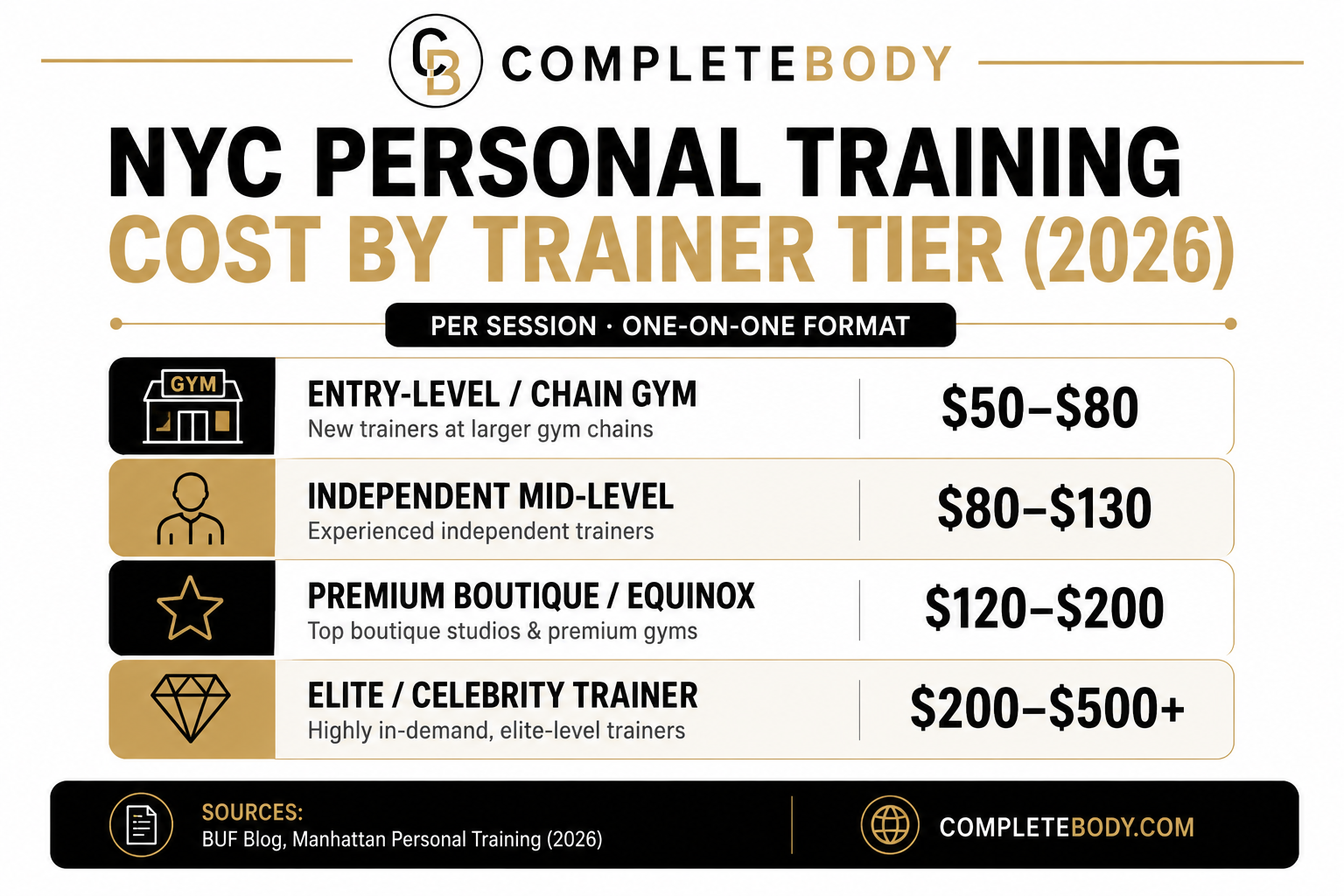
Personal training in Manhattan ranges from $80 to over $500 per session in 2026, with most certified trainers falling in the $100 to $180 window (Manhattan Personal Training, 2026). That range is wider than most people expect, so the breakdown below shows what you actually get at each tier.
Here is what each tier typically delivers:
These are often newly certified trainers building their client base, or trainers at big-box chain gyms where the gym takes a large commission. Credentials may be present, but expect less experience with periodization, injury management, or specialized programming.
This is the sweet spot for most NYC fitness-seekers. These trainers have two to five years of experience, hold NCCA-accredited certifications, and manage their own client relationships. You'll get genuine personalization without the premium gym markup, 2026).
These are sought-after specialists with significant public profiles, waiting lists, and track records with athletes, executives, or public figures. Their pricing reflects demand as much as quality.
For context, NYC sits well above the national average. Across the US, personal training runs $50 to $120 per hour. Los Angeles averages $90 to $175; San Francisco runs $100 to $180. Manhattan is the highest-cost market in the country (Gymkee, 2026).
Packages vs. Pay-Per-Session
Most NYC trainers offer package pricing that reduces the per-session rate by 10 to 20%. A typical structure looks like this:
Single session: $140 to $180
5-session package: $125 to $160 per session
10-session package: $110 to $145 per session
Monthly unlimited (2x/week): $600 to $1,200
Semi-private training (two to three clients sharing a trainer) cuts costs to roughly $50 to $90 per session, making premium trainers accessible without sacrificing meaningful structure or feedback.
What Factors Drive Personal Training Costs in NYC?
Certification level is the most reliable predictor of a personal trainer's price, but it's far from the only one. Understanding what goes into NYC pricing helps you evaluate whether a quote is reasonable or inflated.
, 2025). Trainers with specialty certifications in corrective exercise, performance enhancement, or nutrition coaching typically charge 15 to 25% more.
A trainer with 10 years of experience and a verifiable history of client results commands a premium. Ask to speak with current or former clients before committing.
Training at a large facility means the gym takes a significant cut (often 40 to 60%) of your session fee. An independent trainer working out of a rental space or a smaller gym typically keeps more of the rate and may be willing to negotiate. That said, premium gym environments offer equipment, recovery amenities, and support systems that independent setups often can't match.
One-on-one commands the highest rate. Semi-private (2 to 3 people) and small group (4 to 6) formats drop the per-person price substantially without a proportional drop in coaching quality for most fitness goals.
Midtown, the Upper East Side, and the Financial District carry higher real estate costs, which filter through to training rates. Neighborhoods like Astoria, Williamsburg, or Washington Heights will typically offer lower-priced options from equally qualified trainers.
What to Expect in Your First Personal Training Session
Your first session is not a workout. It's an assessment, and that distinction matters.
A qualified NYC personal trainer will begin with a structured intake that typically includes:
Your trainer will review your health history, current activity level, past injuries, and specific goals. Be honest here. This conversation determines everything about your programming.
Most certified trainers use a functional movement screen (FMS) or overhead squat assessment to identify mobility restrictions, imbalances, or compensations that could lead to injury. This is a major differentiator between a credentialed trainer and someone who simply prescribes generic workout plans.
Depending on your goals, your trainer may measure resting heart rate, body composition, grip strength, push-up or plank capacity, or a submaximal cardiovascular test. These baselines become the benchmark for tracking progress.
By the end of session one, a good trainer explains the rationale for your training approach. You should leave understanding why your program is designed the way it is, not just what exercises you'll be doing.
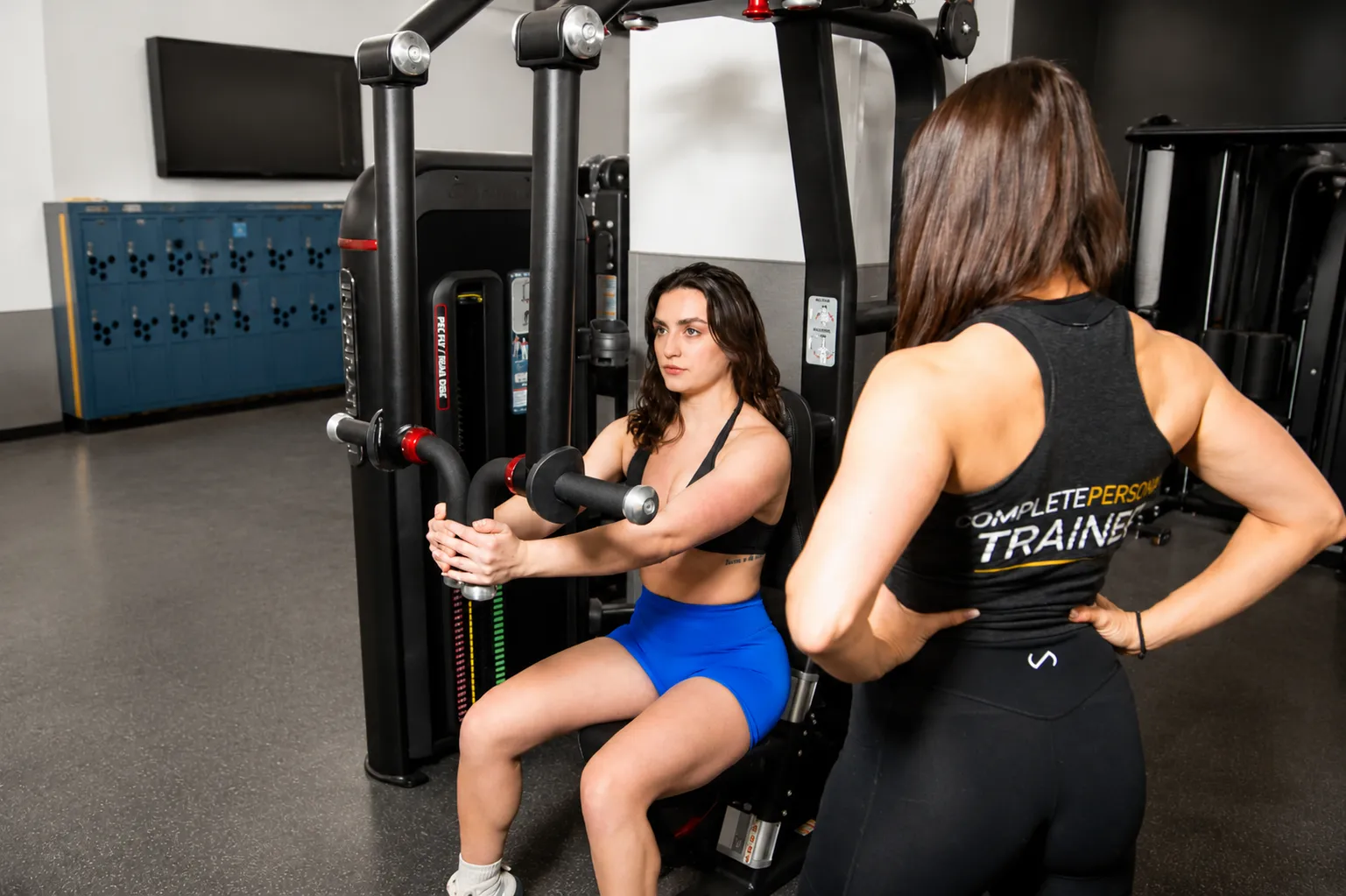
What CompleteBody trainers prioritize: At CompleteBody NYC locations, our trainers spend the first session building a complete picture of where a client is starting from, not rushing into the "fun" part. Clients who go through a thorough intake see dramatically better adherence in the first 90 days because the program actually fits their life.
After the first session, expect to train two to three times per week for meaningful progress. Weekly frequency, session duration (typically 45 to 60 minutes), and progression structure should be clearly communicated by week two.
Does Personal Training Actually Deliver Results? The Research Says Yes
Clients who work with a certified personal trainer show 84% adherence to scheduled training sessions, compared to 69% for people exercising independently, according to ACE Fitness citing peer-reviewed research (ACE Fitness, 2024). That 15-point gap in adherence compounds over months into the difference between reaching a goal and abandoning it.
The strength and body composition data is equally compelling. A study reviewed by Fitness Network Australia found that over 12 weeks, clients trained by a certified personal trainer gained 1.3 kg of lean muscle while the solo training group gained zero kg. Chest press strength improved 42% in the PT group versus 19% in the solo group. VO2 max (aerobic capacity) improved 7% with a trainer versus just 0.8% independently (Storer et al. via Fitness Network AU, 2024). The solo group actually completed about 15% more total training volume, which makes these results even more striking.
The adherence data extends well beyond individual sessions. A peer-reviewed study published in PMC found that personal training clients maintained their exercise programs for an average of 26.28 months, compared to 18.63 months for self-directed exercisers. That difference was statistically significant (p=.001) (PMC/NCBI, 2015). Given that 40 to 65% of new exercisers quit within three to six months, long-term adherence is arguably the most important variable in any fitness outcome.
The real cost calculus of personal training isn't $150 per session. It's comparing 26 months of consistent progress versus 18 months before dropping off, divided by the cumulative cost of both paths. When framed that way, the premium for a certified trainer starts to look less like a luxury and more like an efficiency investment.
According to the Health and Fitness Association's 2025 Consumer Report, 23% of the 77 million Americans who held gym memberships in 2024 used a personal trainer at least once, with women's participation growing 16% year-over-year (Health and Fitness Association, 2025). Personal trainer employment in the US is projected to grow 39% from 2020 to 2030, nearly five times the average occupational growth rate, reflecting how much demand has outpaced supply for quality coaching.
How to Evaluate a Personal Trainer's Credentials in NYC
The NYC fitness market is full of people calling themselves trainers. Knowing how to screen for genuine quality protects your money and your body.
The National Commission for Certifying Agencies (NCCA) accredits the industry's most rigorous credentials. The four to prioritize are:
NASM-CPT (National Academy of Sports Medicine)
ACE-CPT (American Council on Exercise)
NSCA-CPT or CSCS (National Strength and Conditioning Association)
ACSM-CPT (American College of Sports Medicine)
Avoid trainers whose only credential is from an unaccredited online certification mill. The difference in knowledge, particularly around injury prevention and exercise programming, is significant.
Certified trainers are required to complete continuing education credits to maintain their credentials. A trainer who hasn't renewed their certification in three or more years may be operating on outdated methods.
Good screening questions include:
"How do you structure a client's first month of programming?"
"What do you do differently for a client with lower back pain or a knee injury?"
"What is your approach to nutrition guidance?"
A trainer who answers these with specifics is worth a second conversation. Vague or generic answers are a warning sign.
Certified personal trainers in NYC should carry professional liability insurance. It is a basic professional standard, and a trainer who doesn't carry it is cutting corners.
Where to Find Elite Personal Training in NYC
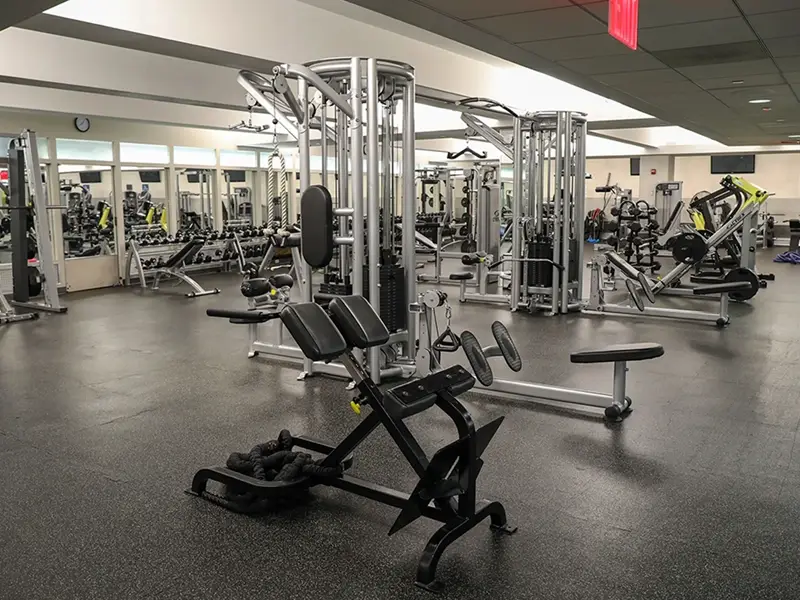
Manhattan is home to hundreds of qualified trainers, but the facility they work in shapes the quality of your experience as much as the trainer's credentials.
—
operates five premium locations across Manhattan, each staffed by NASM and NSCA-certified trainers and equipped for every phase of a training program. The locations are:
Grand Central: The most convenient location for Midtown commuters, positioned steps from Grand Central Terminal. This is CompleteBody's highest-converting location, offering personal training programs designed to fit around demanding work schedules.
Midtown East: Features a saltwater pool alongside a full training floor, making it ideal for clients who want to combine resistance training with low-impact recovery work.
Financial District: Home to a three-story rock climbing wall and a training environment built for performance. Located near Goldman Sachs and the heart of lower Manhattan's professional district.
Union Square / 14th Street: Features a Himalayan salt lounge for recovery alongside a comprehensive training floor, appealing to clients who treat recovery as seriously as training.
Chelsea / 19th Street: Known for its bodybuilding-focused culture and one of the best-equipped training floors in Chelsea.
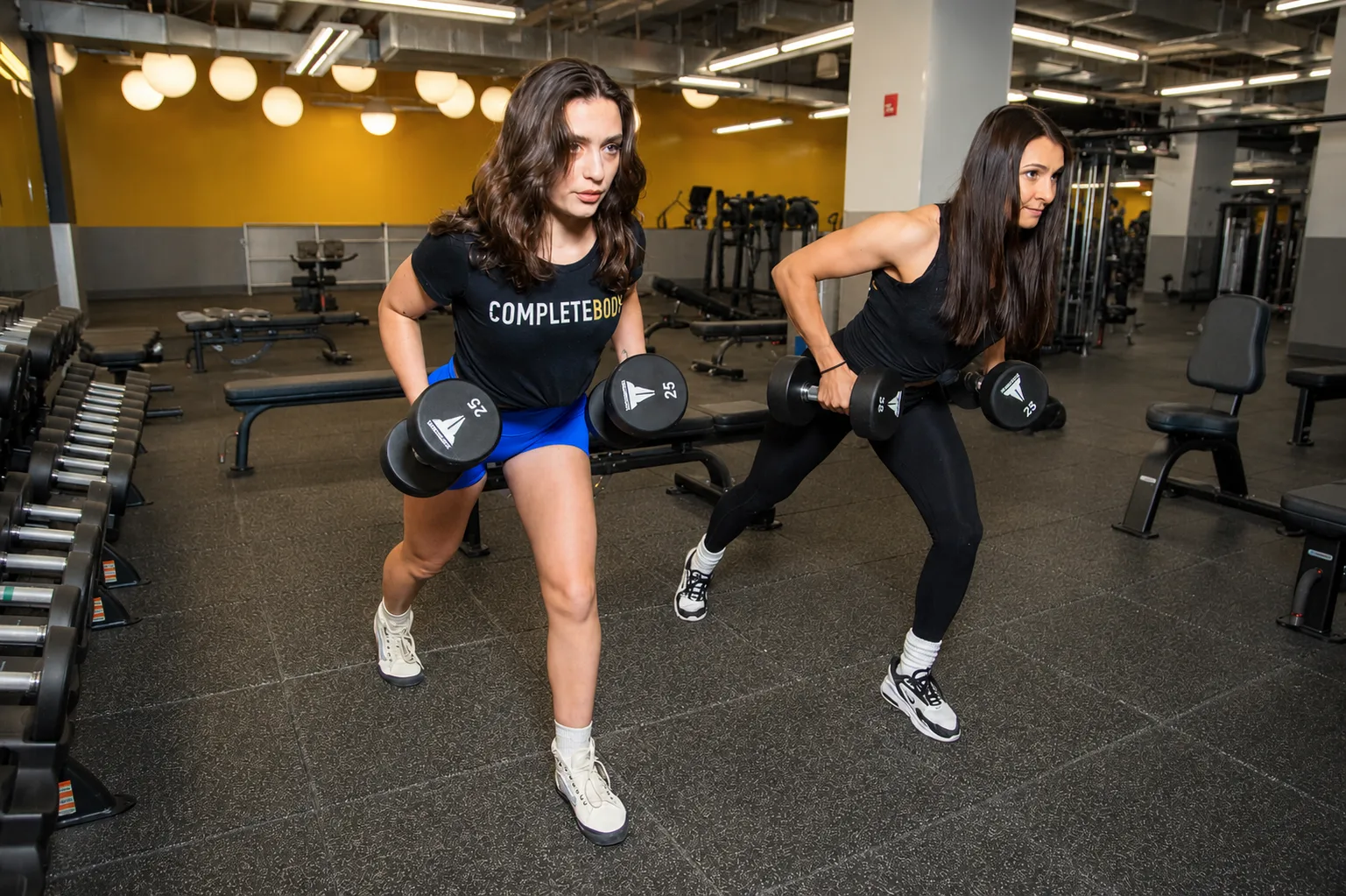
Each location offers one-on-one personal training, semi-private sessions, and group fitness classes, so you can scale your training format to your schedule and budget. The CompleteBody Spa integrates recovery services directly into the membership experience, a differentiator that most stand-alone gyms and independent trainers cannot offer.
CompleteBody trainer note: The clients who get the most from personal training at our facilities are the ones who treat session prep as part of the program. That means sleeping enough, arriving hydrated, and communicating honestly about energy levels and soreness. A trainer can only work with what you bring in.
Ready to Start? Try CompleteBody for Free
If you're weighing personal training options in NYC, the best first step is experiencing the environment firsthand. CompleteBody offers a free trial at any of its five Manhattan locations, with no commitment required.
You'll get a full facility tour, access to the training floor and amenities, and the opportunity to speak directly with a certified trainer about your goals. It's the clearest way to judge fit before making a financial commitment.
How much does a personal trainer cost per session in NYC in 2026?
Personal training in NYC averages $100 to $200 per session in 2026, making it the most expensive major market in the US. Entry-level trainers at chain gyms start around $50 to $80, while elite and celebrity trainers charge $200 to $500 or more. Most certified trainers at premium Manhattan facilities fall in the $120 to $180 range per session (BUF Blog, 2026).
How many times per week should I train with a personal trainer?
Two to three sessions per week is the standard recommendation for most fitness goals. A 2025 HFA Consumer Report found that personal training clients average 21 sessions per year nationally, which works out to roughly one to two times per week. For accelerated fat loss or sport-specific goals, three sessions per week with a trainer, combined with one to two independent workouts, tends to produce the strongest outcomes.
What certifications should a personal trainer in NYC have?
Look for NCCA-accredited certifications from NASM, ACE, NSCA, or ACSM. These organizations require comprehensive coursework, passing a standardized exam, and ongoing continuing education. NASM has certified over 1.9 million fitness professionals globally and is one of the most widely recognized credentials in the industry (NASM, 2025). Avoid trainers with credentials from unaccredited online programs.
Is semi-private training a good option in NYC?
Semi-private training (two to three clients per trainer) is an excellent value in NYC. It typically runs $50 to $90 per person per session, compared to $120 to $200 for one-on-one, while preserving meaningful personalization for most clients. For strength training, weight loss, and general fitness goals, the quality difference between semi-private and one-on-one is smaller than the cost difference, making it a smart choice for budget-conscious clients.
What is the difference between a personal trainer and a fitness coach?
The terms are often used interchangeably, but "certified personal trainer" has a defined standard tied to NCCA-accredited credentials and ongoing certification requirements. "Fitness coach" is an unregulated title that anyone can use. When hiring in NYC, ask for the specific certification name and verify it is NCCA-accredited. The distinction matters most when you have specific health goals, medical history, or injury considerations that require genuine expertise.
Conclusion
Personal training in NYC costs more than in any other US market, and for most clients working toward real fitness goals, that investment is justified by the results data. Certified trainers produce measurably better outcomes in muscle gain, strength, cardiovascular fitness, and long-term adherence than solo training. Knowing how pricing tiers work, what credentials to require, and what your first session should include puts you in a position to invest well rather than overpay.
If you're ready to explore what professional training looks like inside a premium Manhattan facility, CompleteBody NYC offers five locations built for exactly this, each staffed by certified trainers, equipped for every goal, and available for a no-commitment free trial.